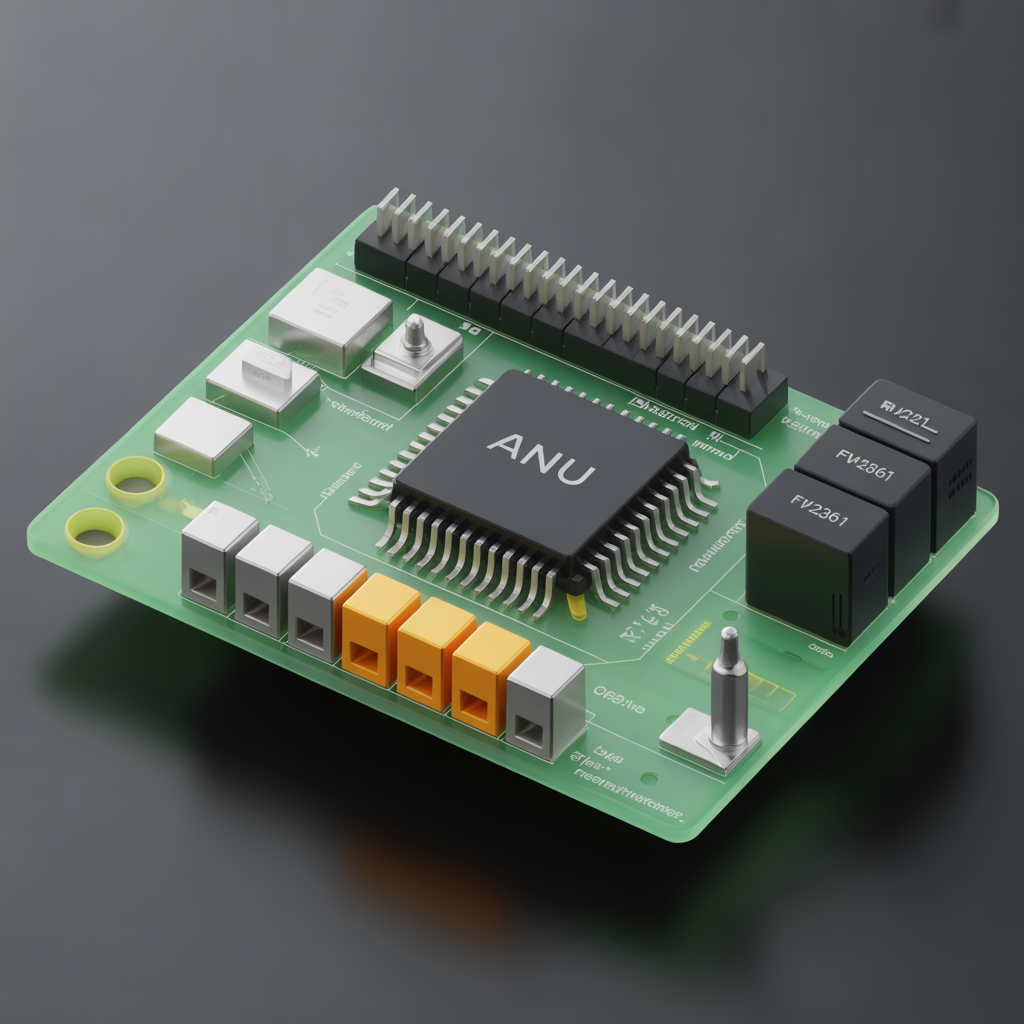

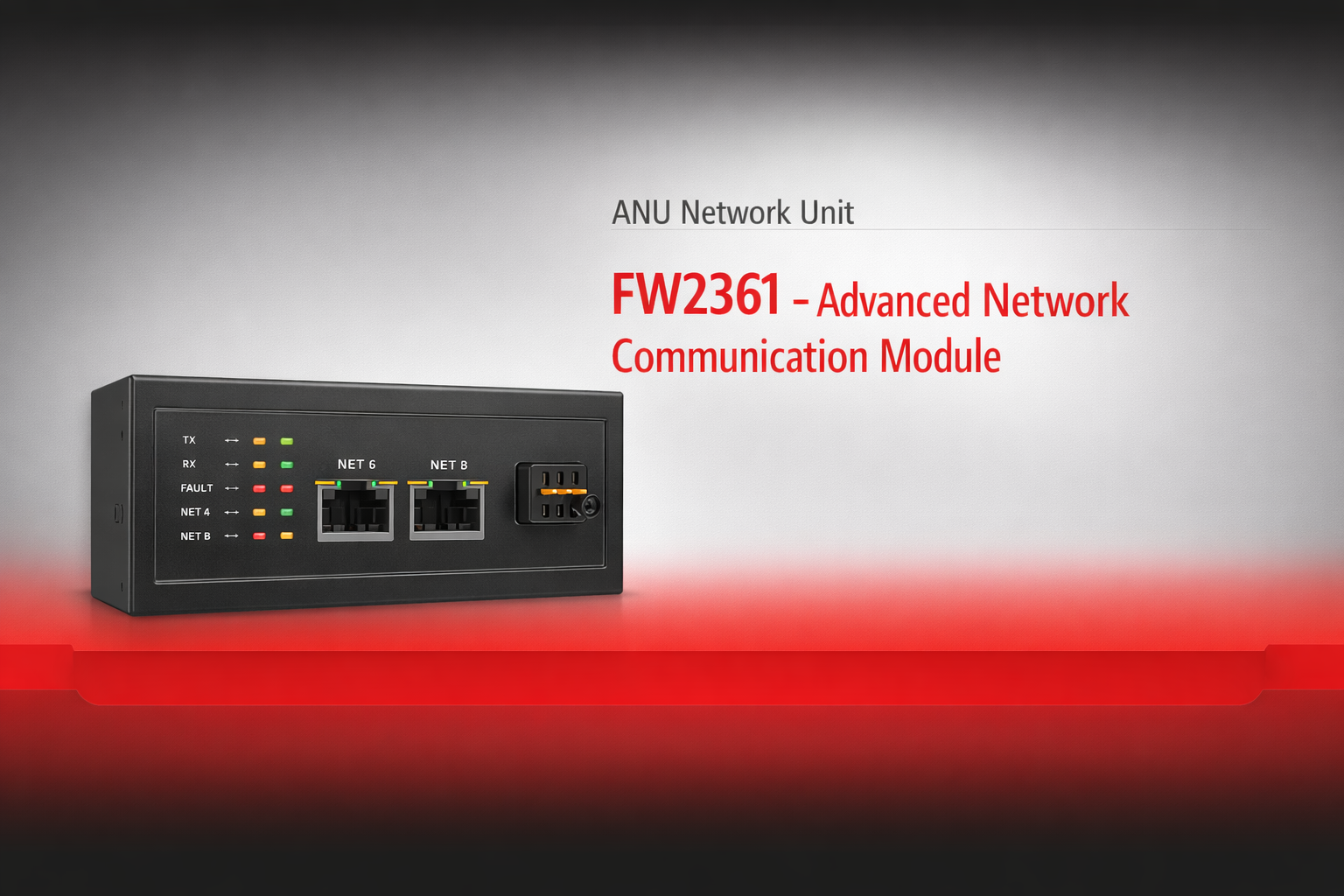
FW2361 - Advanced Network Communication Module
Intelligent Network Control • System Integration • Real-time Communication
FW2361
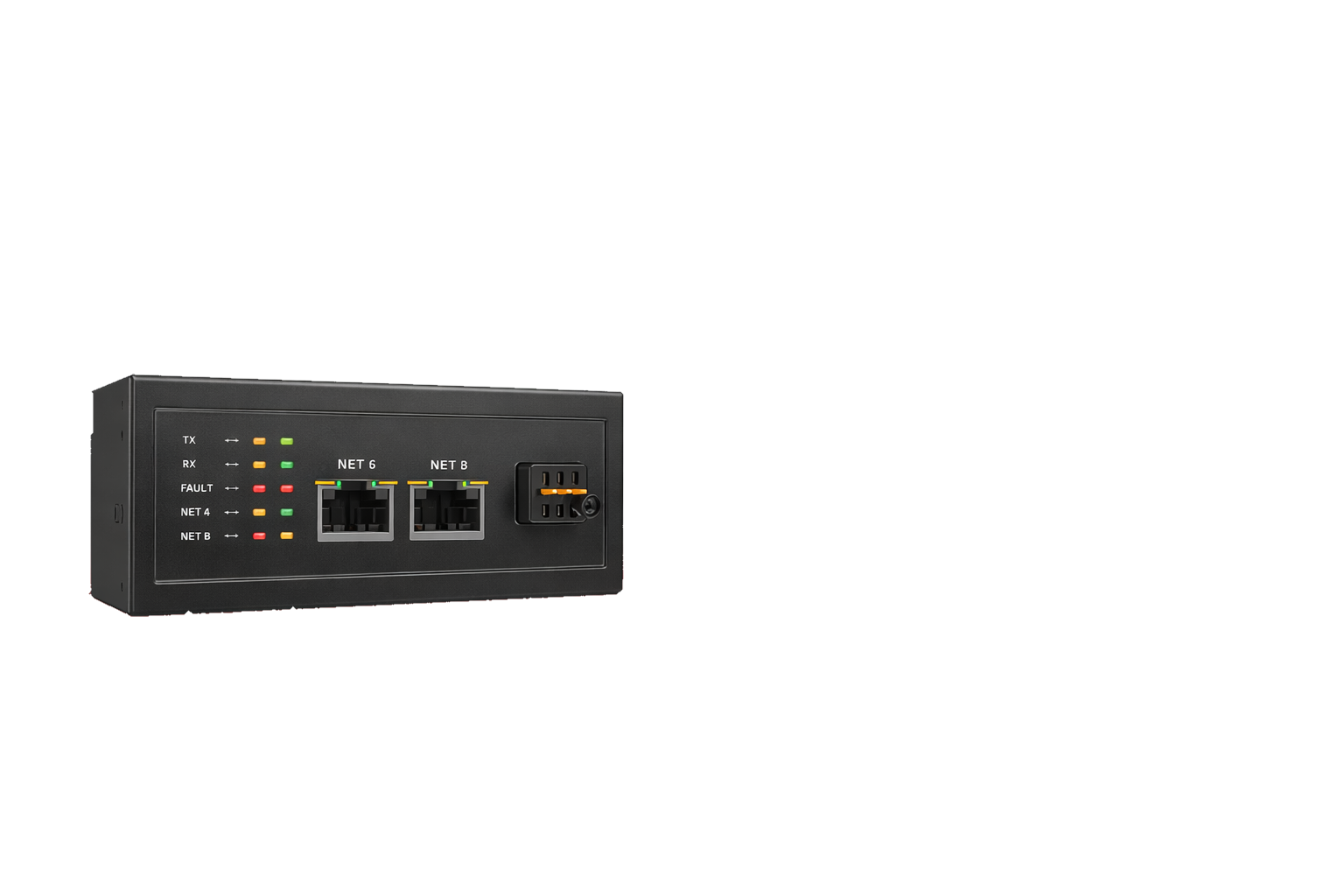
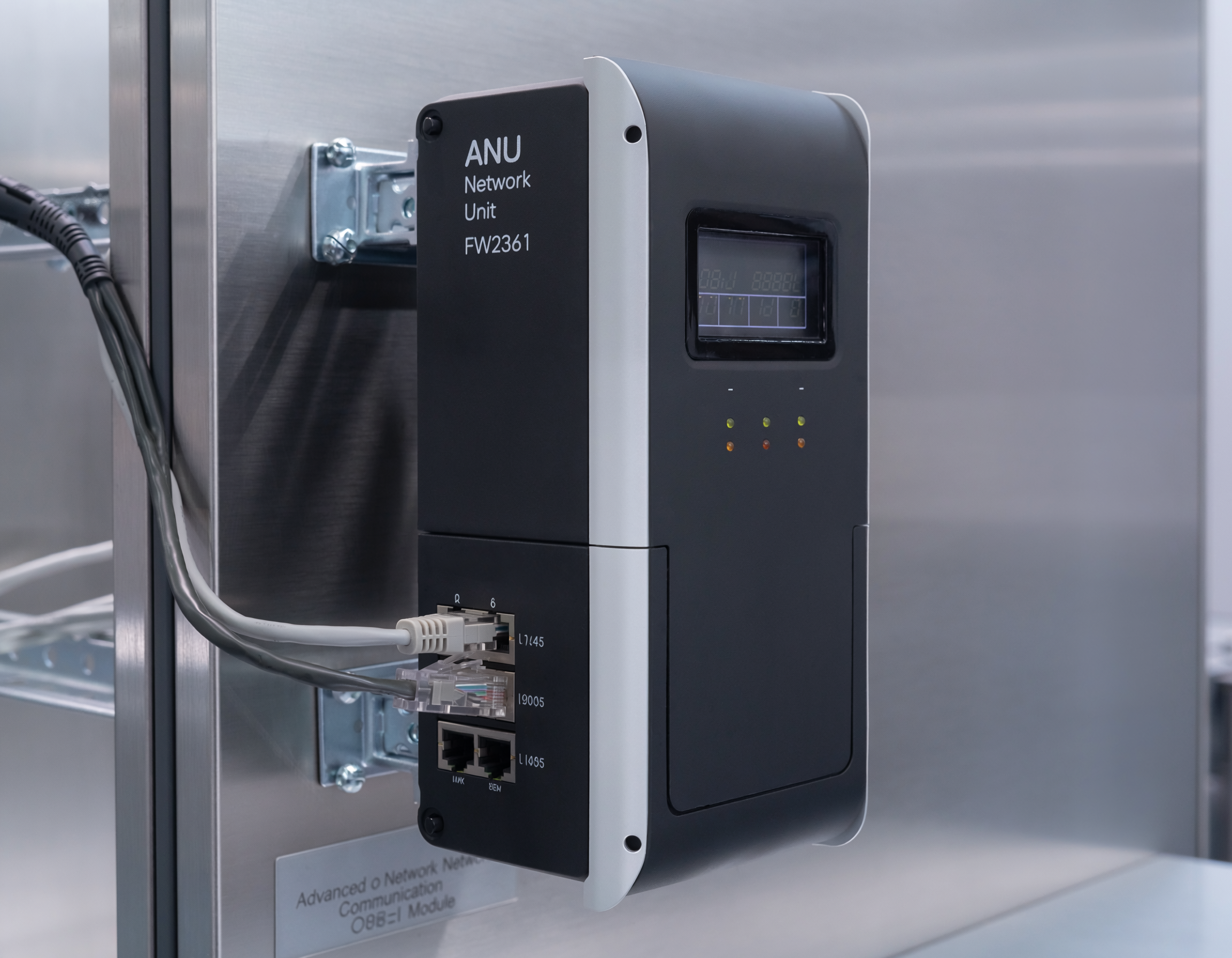
The FW2361 ANU (Alarm Network Unit) provides intelligent network communication capabilities for fire alarm systems. It enables system scalability, real-time data exchange, and integration with building management systems.
| Model Number | FW2361 |
| Product Name | ANU Network Unit |
| Category | Network Communication Module |
| Certification | Component Rated |
| Manufacturer | Maple Armor / Tongfang |
| Warranty | 2-Year Standard |
| Network Protocol | TCP/IP, UDP |
| Communication Ports | 2x Ethernet (10/100BASE-T) |
| Maximum Devices | Up to 250 nodes per network |
| Data Rate | Up to 100 Mbps |
| Power Supply | 24VDC @ 300mA |
| Power Consumption | Standby: 50mA, Active: 200mA |
| Operating Voltage | 18-30VDC |
| Operating Temperature | 0°C to +60°C (32°F to 140°F) |
| Storage Temperature | -20°C to +70°C (-4°F to 158°F) |
| Humidity | 10% to 90% RH (Non-condensing) |
| Enclosure | Metal, DIN Rail Mount |
| Dimensions (HxWxD) | 4.5" x 7.5" x 2.0" (115 x 190 x 51mm) |
| Weight | 1.5 lbs (0.68 kg) |
The FW2361 ANU (Alarm Network Unit) is an intelligent network communication module designed to enhance the connectivity and integration capabilities of Maple Armor fire alarm systems. It provides reliable network communication for system expansion and BMS integration.
Two independent 10/100BASE-T Ethernet ports for network redundancy and flexibility.
High-performance microprocessor with real-time data processing capabilities.
Built-in security protocols and data encryption for secure network communication.
TCP/IP protocol support
UDP broadcast capabilities
DHCP client support
Static IP configuration
Network time protocol (NTP)
Remote diagnostics
Firmware updates over network
Event logging and reporting
24VDC power supply, 300mA minimum. Use regulated power source.
CAT5e or better Ethernet cable. Maximum cable length 100m (328ft).
DHCP or static IP addressing. Configure network parameters via software.
Connect multiple buildings across large campuses or complexes.
Network integration for vertical building management systems.
Network communication across large industrial facilities.
Scalability: Easy expansion of fire alarm networks
Performance: High-speed network communication
Flexibility: Multiple protocol support
Security: Built-in network security features
Integration: Seamless BMS integration
Maintenance: Remote diagnostics and updates